

1-Day PMVA Breakaway Course Content
The 1-day course focuses on personal safety and disengagement techniques for staff who are at risk of physical assault but may not require high-level restraint skills.
-
Understanding Violence and Aggression: Identifying the causes, triggers, and the stages of the assault cycle (e.g., the time-intensity cycle).
-
Legal and Ethical Considerations: Understanding legal responsibilities, the use of "reasonable force," and duty of care.
-
De-escalation and Communication: Using verbal and non-verbal communication skills, active listening, and appropriate body positioning to defuse tension and prevent escalation.
-
Risk Assessment: Conducting dynamic risk assessments and identifying warning/danger signs to avoid risky situations.
-
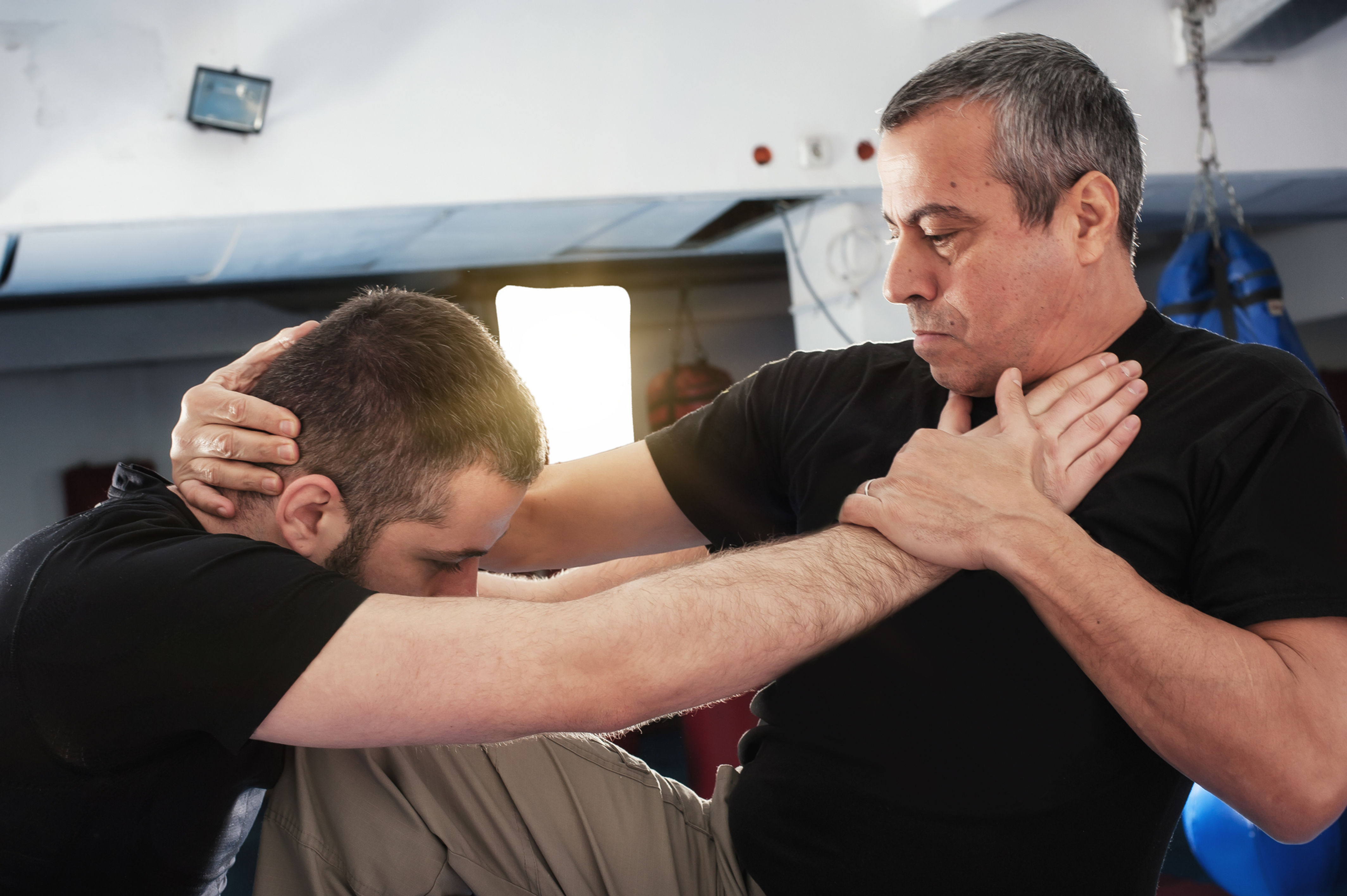
Breakaway/Disengagement Techniques: Practical skills to safely free oneself from various common physical encounters:
-
Wrist, body, hair, and clothing grabs.
-
Defending against kicks and punches.
-
Creating distance and safe exit strategies.
-
-
Post-Incident Management: Procedures for documentation, reporting, and accessing post-incident support/debriefing.
Loading days...
90 British pounds
2-Day PMVA Breakaway and Control & Restraint Course Content
The 2-day course is designed for those in higher-risk environments (e.g., mental health facilities, acute healthcare settings) who need the skills for safe physical intervention and control methods, in addition to the breakaway content. Day 1 typically covers theory and de-escalation, while Day 2 focuses on practical physical skills.
Content includes all topics from the 1-day course, plus:
-
Advanced Physical Interventions: More hands-on practice in a variety of holding, control, and restraint techniques.
-
Holding and Physical Intervention Techniques:
-
Low-level holding techniques as a last resort.
-
Team-based methods to control and contain aggression (e.g., upper arm wrap).
-
Safe management in standing, seated, and floor (supine/prone) positions.
-
-
Risk Management in Restraint:
-
Understanding and avoiding positional asphyxia.
-
Monitoring physical health risks during a hold.
-
-
Legal and Best Practice Frameworks: Detailed alignment with standards like the Restraint Reduction Network (RRN) and BILD (British Institute of Learning Disabilities) Act Certification, and relevant legislation like the Mental Capacity Act and Human Rights Act.
-
Scenario-Based Training: Application of both theoretical and practical skills in realistic scenarios.
Loading days...
180 British pounds